
By Dr Rathan N. Almeida, OCD
As the liturgical year draws to a close with the Solemnity of Our Lord Jesus Christ, King of the Universe, we are invited to contemplate Christ as the beginning and end of all things. This solemn celebration brings one liturgical year to its completion while preparing us to embark on a new journey of faith, hope, and expectation with the First Sunday of Advent.
1) Advent: A Season of Expectation and Longing
Advent is a season of expectation, longing and joyful anticipation. It invites us to pause amid the busyness of life and rediscover the deeper yearnings of the human heart. It is a time when the Church journeys with renewed hope towards the coming of Christ, remembering His coming in history, recognising His presence in our lives today, and looking forward with confidence to His glorious return at the end of time.
At its heart, Advent is about longing for God and allowing ourselves to be found by Him. It is the longing of a humanity that seeks meaning, peace, reconciliation, and fulfillment — the longing of a people who await the dawn of a new beginning. The biblical figures who accompany us during this season — Isaiah, John the Baptist, Mary and Joseph — remind us that God’s promises unfold in the hearts of those who wait with faith, hope, and trust.
Advent is not simply about waiting for Christmas; it is about preparing ourselves to encounter Christ ANEW. It calls us to cultivate an attentive heart, to recognise the signs of God’s presence in our ordinary experiences, and to make room for Him in our lives. Our waiting, therefore, is not simply passive but active: a waiting filled with prayer, conversion, hope, and loving service. Ultimately, Advent teaches us that Christian waiting is never empty waiting. It is a hopeful expectation rooted in the certainty that God is faithful to His promises and that He continually comes to meet us.
2) Advent: The Dark Night: Learning to Wait for God
Advent is also a season of waiting. Yet, waiting is not always easy. We live in a world that wants everything immediately — answers to our questions, solutions to our problems, and fulfillment of our desires. We find it difficult to wait, especially when the future is uncertain.
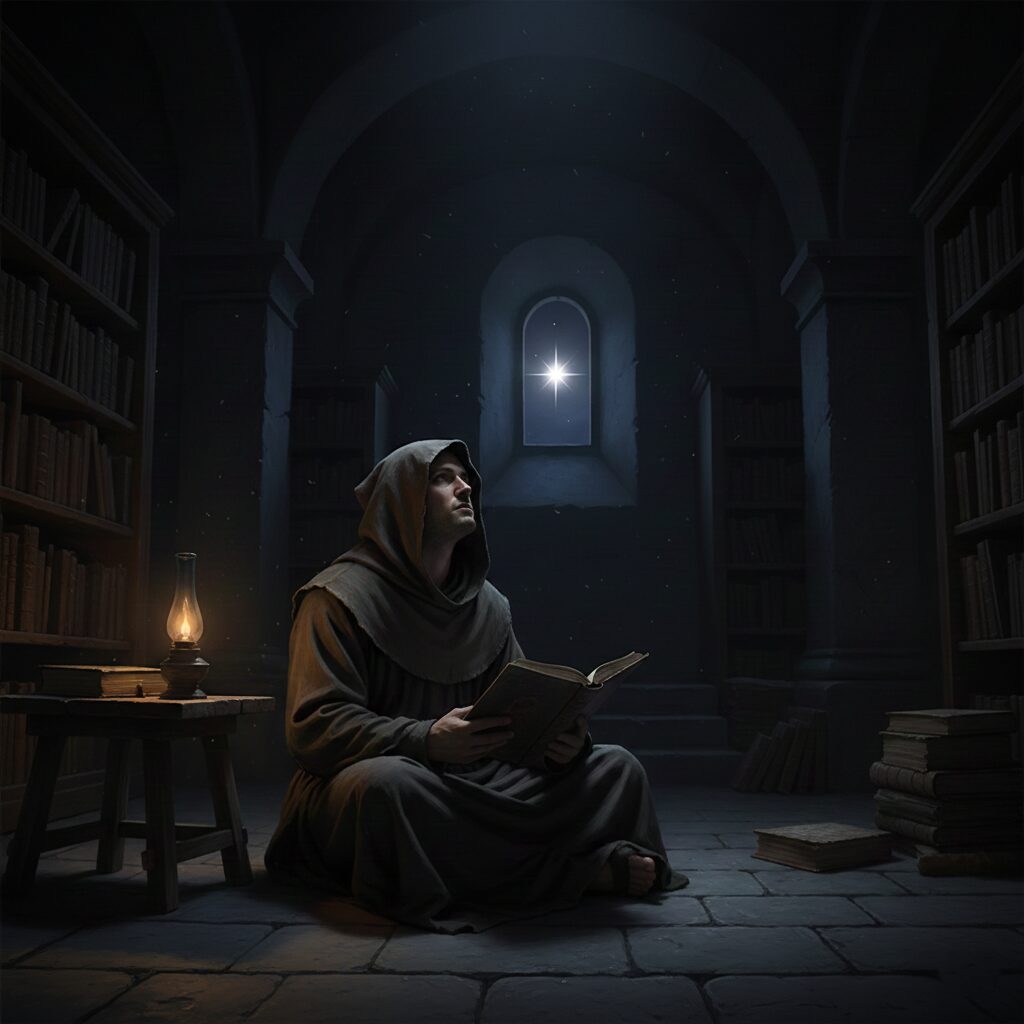
Advent invites us into a different experience of waiting. It teaches us to remain hopeful even when the future is unclear, to trust even when God seems silent, and to continue walking even when the way ahead is uncertain. This experience can be beautifully understood through the spirituality of St John of the Cross and his teaching on the Dark Night.
The Dark Night is not simply an experience of suffering, sadness, or spiritual dryness. It is a profound journey in which God gradually purifies the human heart, detaches it from excessive dependence on created things, and draws it towards deeper union with Himself. In this sense, Advent can be understood as a spiritual journey through the darkness of longing towards the light of God’s coming. Advent, therefore, is not merely about waiting for the light to appear; it is about learning to trust God while we are still in the darkness. Sometimes God is leading us beyond the need to feel Him, possess Him or understand Him, towards a deeper relationship founded on faith, hope, and love. This is particularly meaningful during Advent. We may not always recognise God’s presence, but we are invited to remain faithful and trust His mysterious action in our lives. We have three biblical figures that teach us to wait.
Mary — Waiting in Surrender
Mary receives God’s invitation without knowing what lies ahead. Her response, “Let it be done to me according to your word” (Lk. 1:38) teaches us that faith does not mean that we understand everything before saying “yes” to God. We must learn to carry God’s mystery within us, even when we cannot fully comprehend it.
John the Baptist — Waiting in the Wilderness
Wilderness represents silence, emptiness, and purification. John the Baptist invites us to examine our attachments, rediscover prayer, repent of our failures, and make room for Christ. Waiting for God requires preparation of the heart.
The Shepherds — Waiting in Vigilance
The shepherds were keeping watch during the night when the angel announced the birth of the Savior (Lk. 2:8–14). Their attentiveness reminds us that God often comes quietly and unexpectedly. Advent calls us to remain spiritually awake and be attentive to His presence.
3) Faith, Hope, and Love: The Virtues That Guide Us Through the Night
St John of the Cross gives a central place to the three theological virtues in the soul’s journey towards God. Faith, hope, and love become the means through which the soul is purified and transformed.
Faith: Trusting God when we cannot see or understand — Like Mary at the Annunciation, we are invited to surrender ourselves to God’s plan even when we do not know how everything will unfold. Faith gives us the courage to say: “Lord, I do not know what tomorrow holds, but I trust that You are walking with me.”
Hope: Waiting patiently for God’s promises to be fulfilled — Christian hope is not mere optimism. It is rooted in God’s faithfulness. The Israelites waited for generations for the coming of the Messiah. Advent teaches us to remain hopeful even when we cannot see the fulfillment of our expectations.
Love: Remaining faithful even when we experience no emotional consolation — Mature love does not depend entirely on feelings or personal satisfaction. It continues to love, serve, and remain committed. Advent invites us to love God beyond what we receive from Him.
4) From Darkness to Light: Making Room for Christ
The journey of Advent culminates in Bethlehem, where the Light of the World enters human history in humility and simplicity. The birth of Jesus reveals that God does not remain distant from our darkness; He enters into our human struggles, vulnerability, and suffering. The purpose of the dark night is not to leave us in darkness but to prepare us for a deeper encounter with God. Therefore, Advent waiting must lead to transformation: greater compassion, forgiveness, reconciliation, simplicity, and commitment to prayer and service.
Shall we now ask ourselves…
- What is the greatest darkness I am experiencing in my life?
- What attachments or false securities prevent me from trusting God?
- How do I respond when God seems silent?
- What must I change in my life to make room for Christ?
5) Our Task Ahead: Becoming Bethlehem
Bethlehem is not merely a geographical location in the history of salvation. It can also become a spiritual reality in the human heart.
- Can our hearts become places where Christ finds room?
- Can our darkness become an occasion for deeper faith?
- Can our longing become a genuine search for God?
- Can our silence become a space where the Word speaks?
- Can our lives become an expression of the love revealed in the Incarnation?
The ultimate purpose of Advent is not simply to arrive at Christmas but to become increasingly conformed to Christ.
Finally: The Night Is Not the End
The spirituality of Advent and the teaching of St John of the Cross lead us to one fundamental truth: God is present even when He is not perceived, and He is at work even when we cannot understand His ways. We are reminded not to lose hope while waiting for the light. The mystery of Christmas reveals that God has entered our darkness. We are waiting for God, but God is also waiting for us; we long for His coming, but He is already longing to make His dwelling in our hearts.
Let us therefore not be afraid of the silence, the waiting, or even the darkness. Let us learn to recognise God’s presence beyond our feelings, trust His promises beyond our understanding, and love Him beyond our expectations. Advent is the school of holy waiting. St John of the Cross teaches us that we do not need to see the whole road to continue walking with God. We need only faith to trust Him, hope to keep waiting, and love to remain faithful.
The night will not last forever. The dawn is approaching. The Light of the World is coming.
Prayer: Lord, teach me to wait when I cannot see, to trust when I cannot understand, to love when I cannot feel, and to hope when everything around me seems dark. May this night purify my heart and prepare me to welcome You… the Light of the World. Amen.