
Not Perfect… But Always Faithful…!
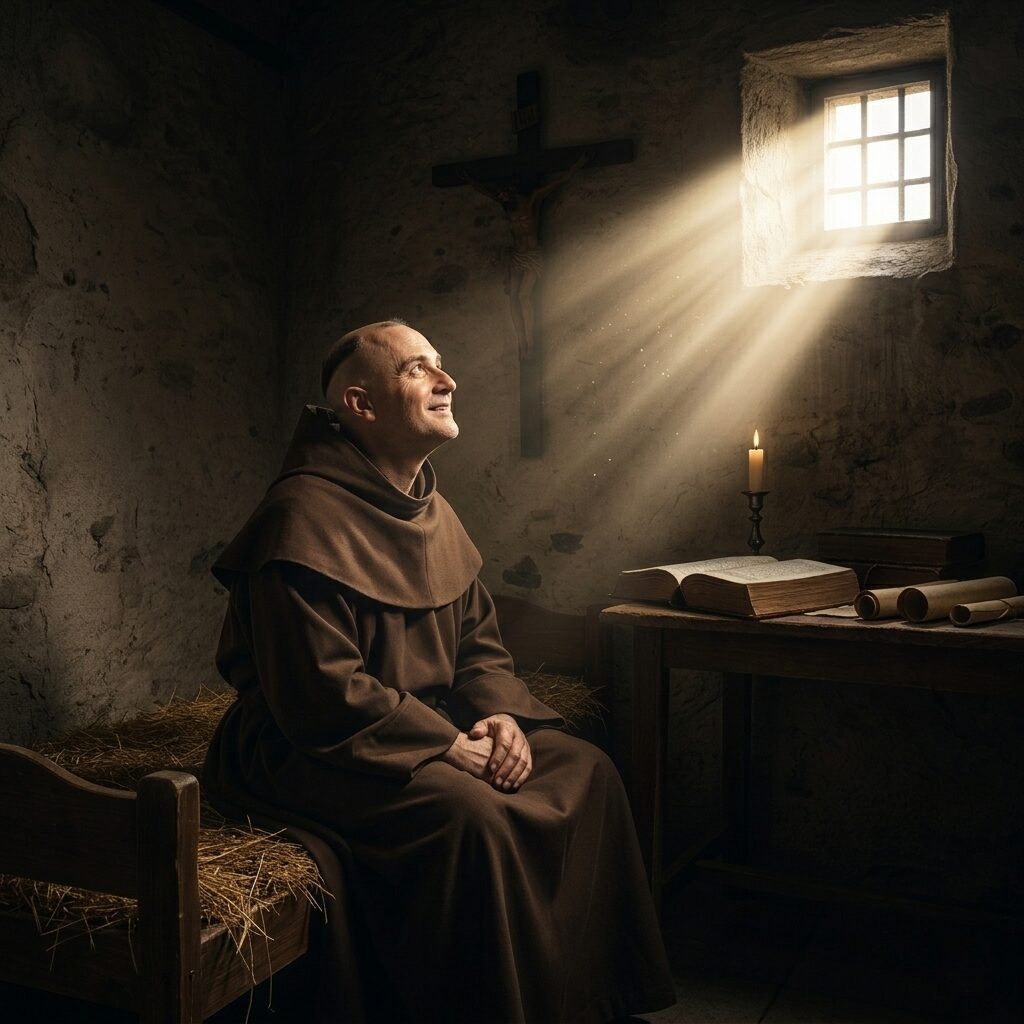
“At the evening of life, we shall be judged on our love” (St John of the Cross)
The month of November invites the Church to remember all the faithful departed and to celebrate the communion that unites the Church on earth with those who have gone before us. For Carmelites, this remembrance has a particularly contemplative and deeply spiritual meaning. Rooted in prayer, silence, and intimacy with God, Carmelite spirituality teaches us that love does not end at death. Rather, it finds its fulfillment in God, who is the source and destiny of every human soul. It offers a rich treasury of saints whose lives and teachings illuminate the mystery of death, purification, and eternal union with God. Their witness reminds us that holiness is not merely a matter of religious observance but a lifelong journey of allowing ourselves to be transformed by divine love.
The Carmelite Saints: Pilgrims towards Eternal Union
St Teresa of Ávila, the great reformer of Carmel, understood the spiritual life as a journey towards intimate friendship with God. In The Interior Castle, she describes the soul as a beautiful castle with many dwelling places, inviting us to journey ever deeper into the mystery of God’s presence. The ultimate goal of this journey is union with God, a communion that begins in this life and reaches its fullness in eternity. For her, prayer is not an escape from life but a gradual transformation of the whole person through love. Her spirituality reminds us that death is not the destruction of our relationship with God but the threshold beyond which that relationship reaches its definitive fulfillment.
St. John of the Cross, the mystical doctor of Carmel, takes us deeper into this mystery. In his writings, he teaches that the soul must undergo purification so that it may become free for perfect union with God. The dark night is not simply an experience of suffering or abandonment; it is a process through which God purifies us from our attachments and thus prepares us for the fullness of divine love. This teaching can help us understand the Church’s belief in purgatory (CCC 1030 – 1032). The purification of the soul is not a punishment imposed by a vindictive God but a manifestation of God’s merciful love, which heals whatever remains imperfect in us. The holy souls are those who have died in God’s grace and friendship but still need purification before entering the fullness of heavenly glory.
St Thérèse of the Child Jesus offers another beautiful insight. Her little way of spiritual childhood teaches us that holiness is achieved through trust, simplicity, and love expressed in ordinary actions. She once expressed her desire to spend her heaven doing good on earth. Her spirituality encourages us to approach death not with despair but with confidence in the merciful love of God.
St Elizabeth of the Trinity, deeply contemplative in her understanding of the indwelling Trinity, reminds us that heaven is not merely a distant place but the fulfillment of the divine life already begun within us. Her spirituality invites us to live now in communion with the Father, through the Son, in the Holy Spirit, preparing our hearts for the eternal embrace of God.
The Holy Souls: Love Awaiting its Fulfillment
Purgatory is not a second chance after death, nor is it a place where God’s love is absent. It is the final purification of those who are already assured of eternal salvation. The holy souls belong to the communion of saints, and the Church encourages the faithful to pray for them, especially through the Eucharist, personal prayer, acts of charity, and indulgences granted under the prescribed conditions.
The Carmelite understanding of purification offers a meaningful spiritual perspective on this doctrine. Just as a piece of gold must be refined to remove its impurities, the human heart must be made completely receptive to God’s perfect love. Our attachments, selfishness, pride, and failures to love cannot coexist with the fullness of divine holiness. God’s grace heals and transforms us, enabling us to enter into the joy for which we were created. We should not imagine the holy souls merely as people suffering in isolation. They are souls held within God’s saving love, moving towards the vision of God, because their destiny is communion with the One whom they love.
The Carmelite Family and the Communion of Saints
Carmel has always cherished a profound sense of spiritual family. The communion of saints reminds us that the Church is not divided by death. Those who journey on earth, those undergoing purification, and those already enjoying the glory of heaven remain united in Christ. When we pray for our deceased family members, relatives, friends, benefactors, and our near and dear ones, we participate in the Church’s ministry of intercession. We entrust them to God’s mercy, confident that the love of Christ is stronger than death.
Remembering the Dead, Renewing our Lives
The remembrance of the holy souls should not be confined to the month of November. It should become a regular expression of Christian charity. A Holy Mass offered for the departed, a Rosary prayed for a deceased, a visit to a cemetery, or a moment of silent intercession can become acts of profound love which can also transform us, the living. The thought of eternity places our daily struggles, ambitions, conflicts, and attachments in a new perspective. Many things that appear urgent today will eventually pass away. What remains is the love we have received from God and that love shared with others.
St. John of the Cross reminds us that at life’s evening, love will be the measure of our existence. This insight challenges each of us to live the present moment with greater generosity, humility, and fidelity. The best preparation for death is not fear of the unknown but a life increasingly surrendered to God.
Our prayer for the holy souls is therefore inseparable from our own journey towards holiness. As we pray that they may enter the fullness of God’s presence, we ask for the grace to become more deeply united with Christ ourselves. Their journey towards heavenly glory and our pilgrimage on earth are held together by the same divine love. In the coming days, let us ponder over these two very important questions: Are we allowing God to purify our hearts and transform us…? Are we living in a manner that reflects our hope in eternal life…?
As we entrust the holy souls to God’s infinite mercy, may the example of the Carmelite saints inspire us to live with faith, die in hope, and love without reservation. May Mary, Queen and Beauty of Carmel, accompany us on our earthly pilgrimage until we reach the heavenly homeland, where every longing is fulfilled and every purified heart rests eternally in the loving presence of God.
Prayer: To be like Jesus, to be like Jesus… all I want is to be like Him. Not in a measure, but in its fullness… all I want is to be like Him…! Amen.